Inclusive Beauty: The Growth of Brands That Celebrate All Skin Tones and Types
Embracing Diversity in Beauty
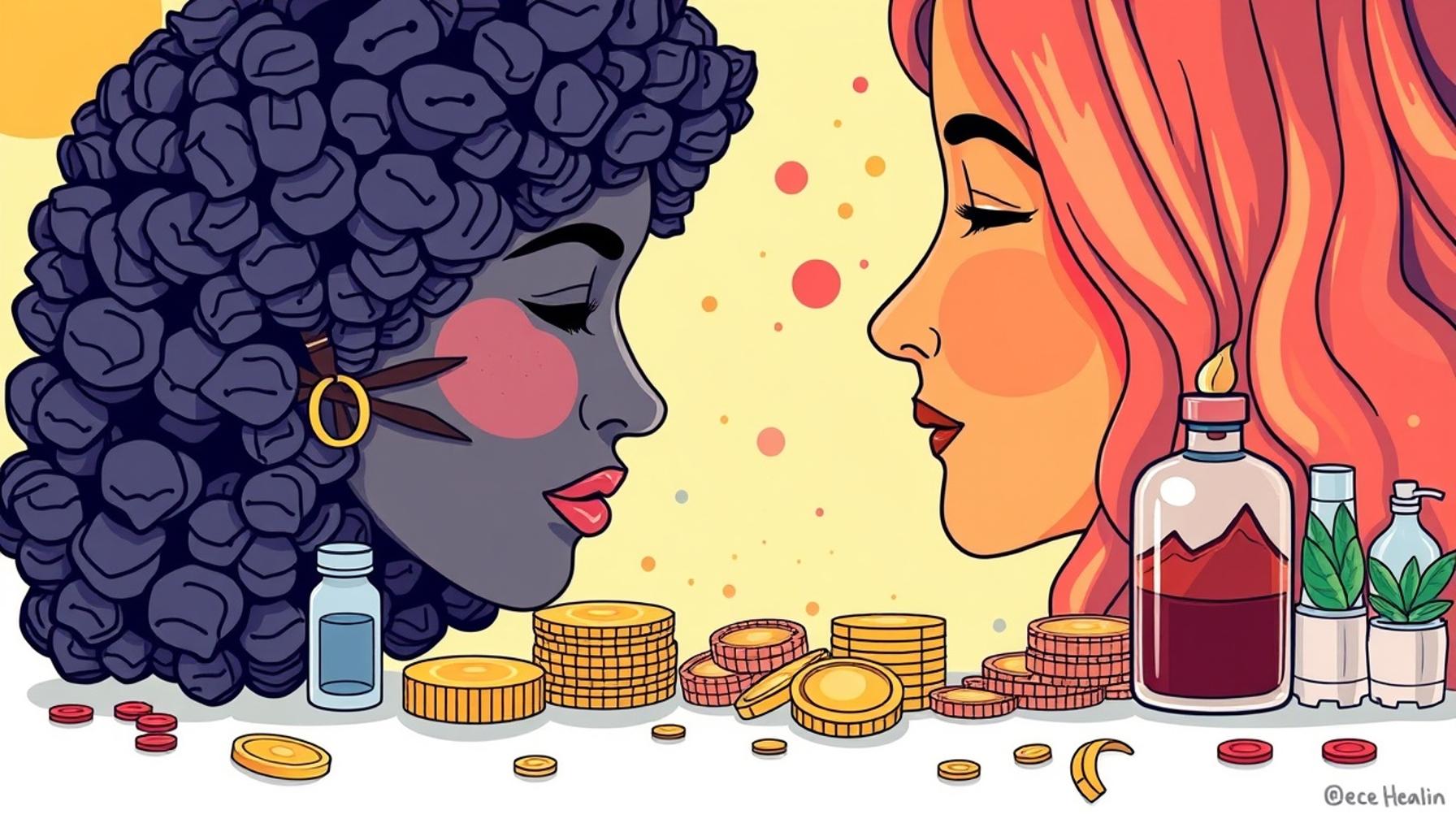
In recent years, the beauty industry has embarked on a transformative journey, one that reflects the myriad of identities and expressions present in our society. Recognizing the need for a more inclusive narrative, brands are stepping away from the confines of traditional beauty standards to celebrate the rich tapestry of human diversity.
This shift has not gone unnoticed, as there is a remarkable surge in consumer demand for products that accurately represent the vast spectrum of skin tones, hair types, and personal aesthetics. A prime example can be seen with Fenty Beauty, launched by Rihanna in 2017. The brand broke new ground by debuting with an impressive 40 foundation shades. This introduction not only highlighted the industry’s oversight in inclusivity but proved that there is a significant market for products that reflect a wider range of skin tones.
Moreover, many beauty brands are now embracing inclusive campaigns. These initiatives strategically feature models of various ethnicities, sizes, and ages, demonstrating that beauty is not monolithic but rather a multi-dimensional concept. A notable case is Aerie, which has confidently showcased unretouched photos of models in various body types, promoting body positivity alongside diversity.
Another crucial aspect of this evolution is the growing trend of community feedback. Brands are actively engaging with their consumers, seeking their opinions to shape product lines that adequately meet diverse needs. Surveys indicate that 67% of consumers are more inclined to support brands that represent their skin tones. This startling statistic underscores the importance of understanding and valuing consumer voices in shaping market offerings.
The focus on inclusive beauty is not merely a matter of ethical responsibility; it also signifies a substantial business opportunity. Companies that foster inclusivity can tap into new markets and expand their customer base. For instance, the rise of TikTok and Instagram has allowed beauty enthusiasts from all backgrounds to share their experiences and preferences, further amplifying the demand for diversity.
As brands continue to innovate in this exciting landscape, the celebration of diversity opens up thrilling possibilities for both consumers and creators alike. By embracing the beauty found in differences, the industry not only fosters empowerment and representation but also redefines what it means to be beautiful in the United States and beyond.
The Shift Towards Representation
The evolution of the beauty industry towards inclusive beauty stands as a powerful testament to the growing awareness of the vast range of skin tones and types. As brands pivot towards recognizing and addressing diverse consumer needs, various data points highlight the profound change shaping this landscape. For instance, a survey conducted by McKinsey & Company revealed that brands prioritizing diversity in their product offerings saw a 30% increase in sales, illustrating how inclusivity is not just a moral imperative but a lucrative market strategy.
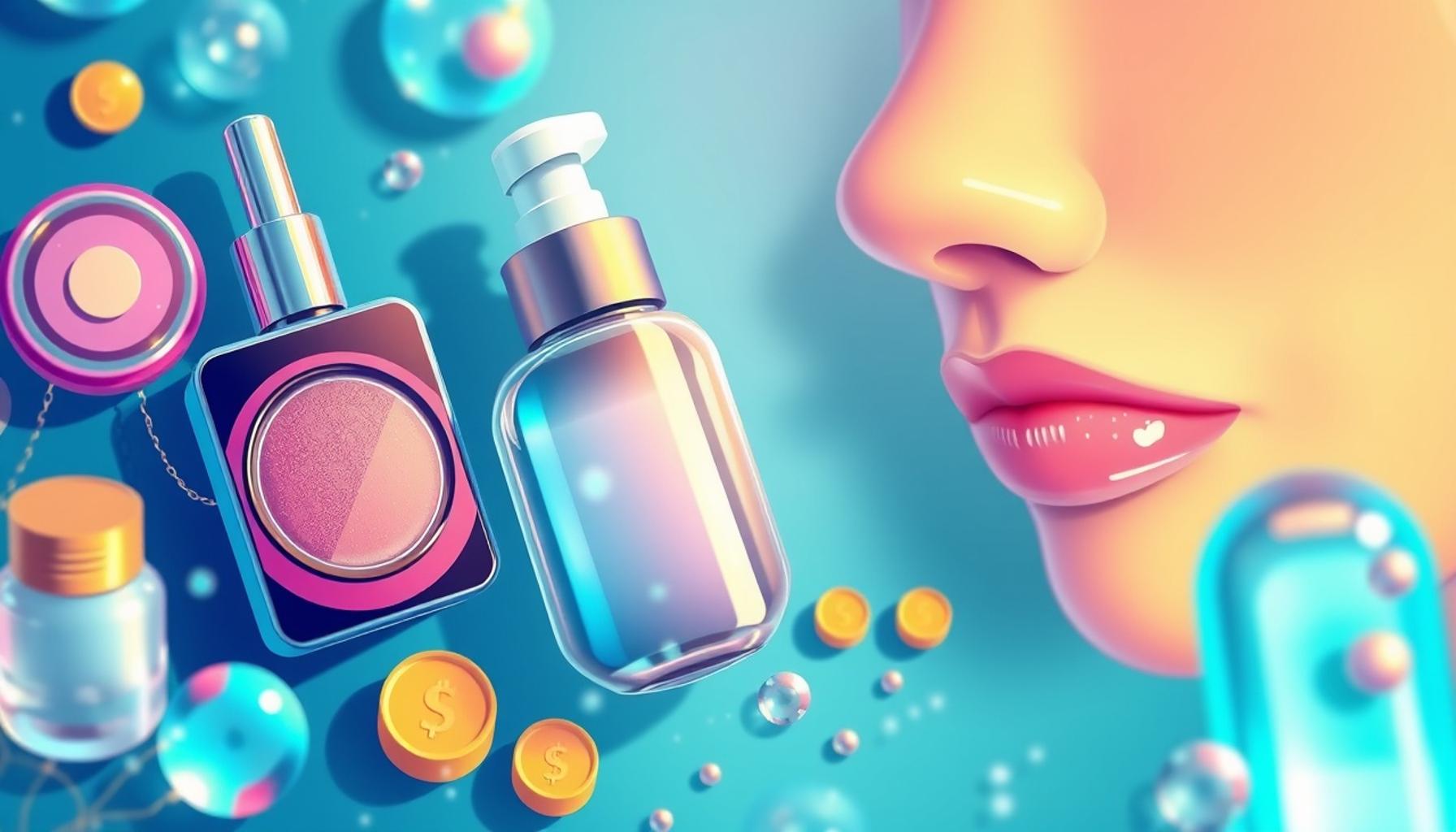
This shift towards representation showcases brands striving to include various ethnic backgrounds, skin types, and beauty standards. One area where this change is particularly evident is in the development of foundation shades. Brands like L’Oréal, Maybelline, and MAC Cosmetics have introduced diverse color ranges that reflect the complex undertones present in different skin tones, moving beyond the traditional pale and medium shades that have long dominated the sector.
In addition to varying foundation colors, the hair care segment of the beauty industry has also seen significant transformations. The demand for hair products that cater to diverse hair types—including wavy, curly, and coily textures—has propelled brands like SheaMoisture and Mixed Chicks into the spotlight. These brands have forged a path towards recognizing that hair is central to personal identity for many, making their products essential for consumers looking for effective solutions.
Consumer Empowerment and Demand
One of the most compelling elements driving the growth of inclusive beauty is the shift in consumer empowerment. Shoppers today expect brands to take a stand on social issues and represent values that resonate with their own. This has led to the emergence of community-driven initiatives, where brands actively solicit feedback from consumers regarding their product lines. In fact, research shows that 75% of consumers consider sustainability and ethical practices important when choosing beauty brands. This underscores the connection between inclusive products and a more conscious consumer base.
Furthermore, influencer culture plays a crucial role in elevating diverse beauty narratives. Social media platforms like Instagram and TikTok have allowed beauty enthusiasts to share their experiences and promote brands that celebrate inclusivity. Influencers of diverse backgrounds, such as Jackie Aina and Nabela Noor, have become powerful voices advocating for representation, enabling brands to connect directly with consumers on a personal level.
Capitalizing on the Movement
The opportunity inherent in this movement towards inclusive beauty has not gone unnoticed by marketers and brand strategists. Companies are seizing the chance to not only grow their market share but also to foster a loyal customer base. Market research indicates that consumers are willing to pay a premium for brands committed to diversity and inclusion. As a result, brands are increasingly focusing on celebrating the beauty in differences rather than conforming to traditional standards.
This exciting transformation within the beauty industry represents both a challenge and an opportunity for brands willing to embrace change. As companies explore the full spectrum of beauty, they not only meet the needs of a diverse marketplace but also play a pivotal role in redefining the standards of attractiveness in modern consumer culture.
| Category | Details |
|---|---|
| Diversity in Product Offerings | Brands now create diverse ranges of shades and products to cater to various skin tones and types, promoting inclusivity. |
| Positive Brand Image | Companies embracing inclusivity enhance their reputation among consumers, establishing loyalty and trust through representation. |
As the movement towards inclusive beauty continues to gather momentum, it’s clear that consumers are more drawn to brands that recognize and celebrate diversity. Many brands are breaking the mold by creating extensive product lines tailored for various skin tones, moving beyond the traditional “one-size-fits-all” approach. This fundamental shift not only addresses the needs of a broader audience but also signifies a cultural evolution within the beauty industry. A greater emphasis on representation has encouraged brands to excel, leading to a positive brand image that resonates well with today’s demographic landscape. By diversifying their offerings, brands can foster a stronger emotional connection with their consumers, leading to increased brand loyalty and trust. This is particularly significant as younger generations drive demand for authentic and inclusive marketing that reflects the multifaceted nature of beauty.
Breaking Down Barriers in Beauty
The rise of inclusive beauty brands has not only redefined the products available but has also actively challenged detrimental stereotypes and stigmas that have long plagued the beauty industry. Historically, beauty standards have skewed towards Eurocentric ideals, marginalizing a vast range of skin tones and types. A report from the American Psychological Association highlights the psychological impact of these narrow definitions of beauty, suggesting they can contribute to poor self-esteem and body image issues among those who feel excluded. The advent of brands that celebrate diversity marks a new era where self-love and acceptance take priority over unrealistic standards.
Innovative marketing strategies are integral to this movement. Brands are increasingly showcasing real consumers in their campaigns rather than traditional models, which often perpetuated a singular view of beauty. Companies like Fenty Beauty, founded by Rihanna, have set new benchmarks by leveraging extensive user-generated content on platforms like Instagram. Fenty’s launch of a staggering 40 foundation shades not only highlights the brand’s commitment to inclusivity but also empowers consumers to see themselves represented in the realm of beauty.
Diverse Beauty Across the Consumer Landscape
As the conversation surrounding inclusive beauty expands, brands must navigate the complexities of cultural representation. With globalization, beauty influences from different regions are infiltrating American markets. Brands such as Juvia’s Place have tapped into this trend by catering specifically to communities that celebrate bold colors and high-pigment products. Their marketing strategies resonate particularly with consumers of African descent, emphasizing cultural aesthetics rather than following mainstream conventions.
Moreover, the LGBTQ+ community has found solid representation within the realm of diverse beauty. Brands are increasingly recognizing the importance of gender fluidity and non-binary identities, leading to campaigns that feature individuals who challenge traditional gender norms. This shift has resulted in brands like Milk Makeup gaining traction due to their commitment to progressive beauty ideals, where makeup isn’t confined by gender but is instead a means of self-expression for everyone.
The Influence of Technology
Furthermore, technology plays a critical role in bringing the inclusive beauty movement to the forefront. Virtual try-on tools and augmented reality (AR) applications allow consumers to experiment with shades and products customized based on their unique skin tone and type. Brands such as Sephora and Ulta Beauty have integrated these technologies, enabling consumers to find their perfect match from the comfort of their homes. This innovative approach not only fosters inclusivity but also enhances the shopping experience, making it more accessible to a broader audience.
This convergence of inclusivity and technology has empowered consumers to make informed decisions about the products they choose, further solidifying their desire for brands that understand and honor their individuality. As brands continue to evolve in product development and representation, they are setting new standards, pushing past the confines of traditional beauty norms, and expanding the definition of beauty itself.
Shaping the Future of Beauty
The evolution of inclusive beauty marks a significant cultural shift that resonates deeply beyond the product itself. The brands leading this movement are not merely responding to consumer demand; they are fundamentally redefining what beauty means in a diverse society. With an expanding array of products that cater to every skin tone, texture, and type, these brands are fostering a sense of belonging and acceptance among those historically marginalized by conventional beauty standards.
As inclusivity becomes the norm rather than the exception, the future of beauty brands will likely hinge on their ability to authentically represent the diverse tapestry of their consumer base. The focus must extend beyond appearance to include transparency, ethical practices, and cultural respect. Consumers are increasingly voting with their wallets, supporting those who champion diversity and sustainability. This trend challenges brands to engage with their communities genuinely and to treat beauty as an art form that encompasses identity and individuality.
Moreover, the implementation of cutting-edge technologies, such as virtual makeovers and customized product recommendations, enhances accessibility and promotes a personalized beauty experience. As these tools become more prevalent, they will empower consumers to explore and embrace their unique styles with confidence.
In conclusion, the trajectory of inclusive beauty suggests a powerful transformation in the industry, one that not only celebrates diversity in skin tones and types but also champions the broader ideals of self-acceptance and representation. As we continue to embrace the beauty of authenticity, it is essential for consumers to remain engaged, advocating for brands that reflect their values and experiences. This dynamic movement opens the door to a richer dialogue about beauty, challenging the status quo, and paving the way to an increasingly inclusive future.

Linda Carter
Linda Carter is a writer and beauty expert specializing in skincare, self-care, and personal wellness. With extensive experience helping readers discover effective routines, trusted tips, and confidence-boosting practices, Linda shares her knowledge on our platform. Her goal is to empower readers with practical advice and thoughtful strategies to enhance their natural beauty, feel their best, and embrace a healthier, more confident lifestyle.