Beauty Rituals Around the World: How Different Cultures Approach Self-Care
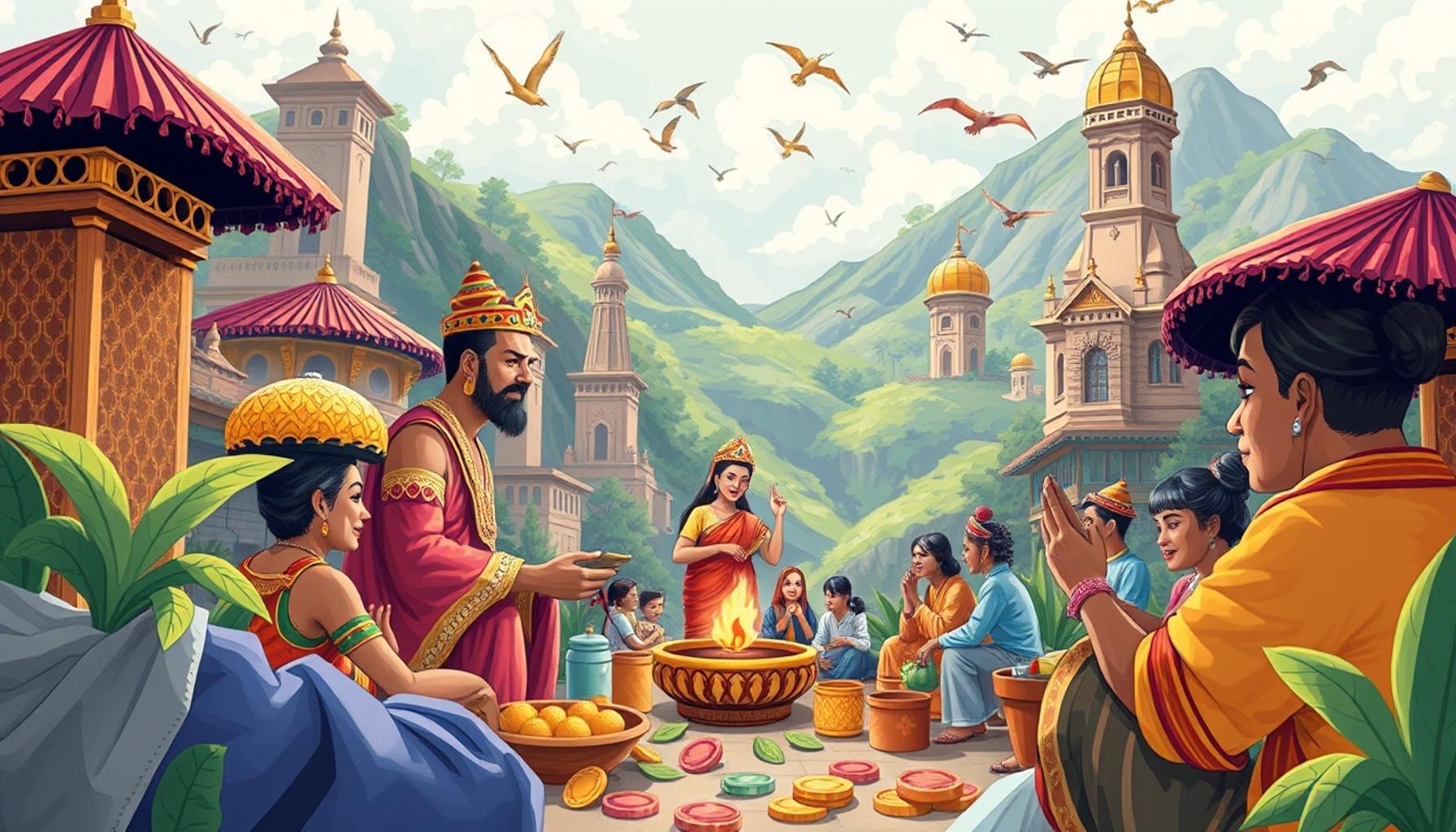
Exploring Global Beauty Rituals
Beauty rituals are deeply woven into the fabric of communities around the world, reflecting not only aesthetic preferences but also cultural values, historical contexts, and social practices. From the fragrant markets of Marrakech, brimming with essential oils and spices, to the tranquil gardens of Japan, where skincare is treated as an art form, these rituals reveal much about the people who practice them. They serve not just to enhance physical appearance, but also to promote mental and spiritual well-being, creating a holistic approach to self-care.
Key Elements of Beauty Rituals Worldwide
- Natural Ingredients: Across many cultures, there is a profound emphasis on the use of organic materials. For example, indigenous communities often utilize local herbs and flowers, like the rose in Iran, known for its soothing properties in beauty treatments.
- Mindfulness: Beauty rituals frequently blend with meditative practices. In India, for instance, rituals such as the application of turmeric masks are done with intention and focus, turning a simple act into a meditative experience.
- Community: Many cultures celebrate beauty in communal contexts. In Morocco, women gather to apply henna, fostering social bonds that celebrate both their heritage and femininity.
Delving into various beauty practices reveals numerous fascinating traditions that emphasize intrinsic beauty rather than superficial standards. For instance:
- In India, traditional Ayurvedic treatments incorporate a holistic approach that focuses on balancing the body, mind, and spirit through natural remedies and personalized routines.
- South Korea’s rigorous 10-step skincare routine emphasizes hydration, with products ranging from cleansing oils to overnight masks, which reflect a meticulously detailed approach to skincare that has gained global popularity.
- In Brazil, beauty ideals are often intertwined with body positivity, celebrated in vibrant communal events like Samba, where individuals express self-love and embrace diverse forms of beauty.
These examples merely scratch the surface of the rich and varied global landscape of self-care. As you explore the beauty rituals from different cultures, you may uncover surprising beauty secrets and practices that can enhance your own self-care regimen. Exploring these traditions not only allows you to rejuvenate your beauty routine but also fosters a greater appreciation for the diverse ways people connect with themselves and their communities around the world.
Cultural Perspectives on Self-Care
Exploring beauty rituals from different cultures offers a unique lens through which we can examine broader perceptions of self-care and wellness. In many traditions, beauty transcends the mere application of cosmetics; it becomes a form of self-expression and a pathway to spiritual enlightenment. Understanding these diverse practices not only enriches our own beauty routines but also deepens our respect for cultural traditions around the world.
Beauty Through the Ages
Beauty rituals have evolved through generations, often shaped by the geographical context and availability of resources. Each culture emphasizes distinctive natural elements that contribute to their unique approach to self-care. Here are some notable examples:
- Japan: The Japanese beauty philosophy prioritizes simplicity and precision. The daily skincare regimen is often a meditative affair, integrating techniques like layering products with a focus on hydration and sun protection. Ingredients such as green tea and rice bran are famed for their restorative properties, offering timeless approaches to youthful skin.
- Morocco: In Morocco, natural resources like argan oil and ghassoul clay have gained worldwide acclaim for their nourishing qualities. The ritual of visiting a traditional hammam (steam bath) serves not only to cleanse the body but also to refresh the soul, enriching social bonds as women gather to share beauty secrets while pampering themselves.
- Brazil: Body care in Brazil often revolves around celebration and community, illustrated in their vibrant carnivals that encompass self-expression and acceptance. Rituals frequently include the use of brazilian nuts for skin nourishment and the embracing of varied body shapes and sizes as a form of beauty.
As these examples illustrate, beauty rituals often blend practicality with mythology, creating a tapestry of wisdom passed down through ages. The harmonious relationship with nature found in many cultures is central to their beauty practices, encouraging individuals to connect with the earth and their heritage.
The Importance of Ritual
The significance of rituals in beauty practices cannot be overstated. They often serve as a reminder of one’s identity and cultural roots, allowing individuals to express themselves in ways that are deeply meaningful. While self-care has increasingly become a buzzword in the modern world, understanding its historical and cultural roots can inspire more authentic and personalized approaches. Beauty rituals invite us to slow down, reflect, and celebrate the journey of self-love and acceptance—transforming our perception of beauty from fleeting to enduring.
As you continue exploring these fascinating practices, keep in mind how they can influence your own self-care journey. Acknowledging and integrating aspects from various traditions can lead not only to enhanced beauty but also to a more profound sense of well-being.
| Culture | Ritual Practices |
|---|---|
| Japanese | The Japanese skincare regimen emphasizes thorough cleansing and layering products, integrating traditional ingredients like rice bran and green tea. |
| Indian | Utilization of Ayurvedic principles in self-care rituals, including body oils and herbal pastes, aimed at maintaining balance and harmony within the body. |
| Moroccan | Use of argan oil and regular visits to the hammam for purification and relaxation, reflecting a communal aspect of beauty rituals. |
| Korean | Adoption of a multi-step skincare routine featuring essences and sheet masks, underscoring the aspect of hydration and radiance in skin health. |
The approaches to self-care and beauty rituals vary astonishingly across cultures. From Japan’s meticulous skincare regimens to India’s holistic Ayurvedic practices, self-care is seldom an individualistic affair but rather a rich cultural experience. The use of ingredients such as rice bran, argan oil, and herbal pastes showcases a deep-rooted connection between nature and beauty, with each culture offering unique insights into the relationship between well-being and beauty. Exploring these rituals offers a glimpse into the values and priorities deeply embedded within each society, shedding light on a world where beauty is a reflection of personal and cultural identity. By embracing these diverse practices, individuals can enrich their perspectives on self-care, tailoring methods that resonate with their personal beliefs and lifestyles. The intersection of beauty, culture, and self-care invites an ongoing conversation about how we perceive and take care of ourselves globally.
Rituals and Modern Influences
In an increasingly globalized world, traditional beauty rituals are not only preserved but also adapted to fit contemporary lifestyles. The fusion of ancient practices with modern trends reflects a dynamic cultural exchange that enriches our understanding of self-care. As individuals seek holistic approaches to wellness, many are incorporating global beauty secrets into their routines, highlighting the importance of adaptability in self-care traditions.
India: The Art of Ayurveda
India’s approach to beauty is deeply rooted in Ayurveda, a holistic health system that emphasizes balance and harmony within the body and mind. Rituals often involve the use of natural ingredients such as turmeric, known for its anti-inflammatory properties, and milk, which offers moisturizing benefits. One popular practice is the upanayana, a rite of passage that includes elaborate cleansing rituals and the application of kajal or natural eyeliner, believed to ward off negative energies. These traditions promote not just physical beauty but also mental clarity and emotional well-being.
South Korea: Skincare as a Cultural Phenomenon
In South Korea, the 10-step skincare routine has gained international acclaim and followers around the world. This meticulously choreographed ritual emphasizes clean beauty and hydration, often featuring products infused with botanical extracts. The incorporation of sheet masks, often infused with ingredients like snail mucin and hyaluronic acid, emphasizes the importance of treating the skin as a canvas deserving the utmost care. Additionally, Korean beauty extends beyond skincare with traditional practices such as tteokspa, a grain-based exfoliation ritual, promoting the synergy between natural elements and modern cosmetic science.
Scandinavia: Embracing Minimalism and Nature
In the Scandinavian countries, beauty rituals often reflect a deep appreciation for nature and minimalism. The concept of hygge (a Danish term for cozy contentment) influences self-care practices where warmth and comfort define beauty ideal. Nordic cultures embrace cold water immersion for skin rejuvenation, alongside the use of natural ingredients like birch sap and sea buckthorn oil renowned for their restorative effects. A key component of Scandinavian beauty is the emphasis on healthy living, including a diet rich in fish and berries that enhances natural glow, making wellness a holistic endeavor that extends far beyond surface-level beauty.
Western Interpretations: The Rise of Clean Beauty
In recent years, the concept of clean beauty has emerged as a significant trend in the United States and other Western countries, influenced largely by the awareness of ingredients and environmental impact. Rituals now prioritize transparency and sustainability, encouraging consumers to seek out products that are free from synthetic chemicals and harmful additives. Brands are increasingly looking to global traditions for inspiration, with ingredients like jojoba oil and shea butter making waves in the market. This shift is a testament to the blending of cultural influences, as consumers become more conscious and informed about their beauty choices while embracing practices steeped in history.
As we explore these varied approaches to beauty and self-care rituals, it becomes clear that they not only reflect individual preferences but also cultural legacies. By appreciating and incorporating diverse practices, we can enrich our own understanding of beauty, transforming self-care into a personalized journey that connects us to global traditions.
Conclusion: The Global Tapestry of Beauty Rituals
The exploration of beauty rituals around the world reveals a rich tapestry that intertwines tradition, culture, and individual identity. From the holistic practices of Ayurveda in India to the meticulous 10-step skincare routines of South Korea, and the nature-centric minimalist approaches of Scandinavia, these rituals reflect not only aesthetic values but also deeper philosophies of self-care and wellness. As modern consumers increasingly seek authentic and sustainable options, the beauty industry is poised to benefit from this cultural convergence.
Moreover, the rise of clean beauty in the Western world underscores a growing awareness regarding ingredients and eco-friendliness, prompting a shift towards products that respect both consumer health and the planet. This movement demonstrates that beauty is not merely about external appearances; it is also a holistic journey that encompasses mental, emotional, and spiritual aspects of well-being.
With globalization fostering cultural exchange, individuals are invited to explore and adopt diverse beauty practices that resonate with them personally. Embracing these traditions enriches our self-care routines and deepens our understanding of beauty as a global concept. As we continue to navigate our own beauty journeys, let us celebrate the lessons derived from different cultures, ultimately leading to more meaningful and personalized self-care experiences. The world is a treasure trove of beauty wisdom waiting to be explored.

Linda Carter
Linda Carter is a writer and beauty expert specializing in skincare, self-care, and personal wellness. With extensive experience helping readers discover effective routines, trusted tips, and confidence-boosting practices, Linda shares her knowledge on our platform. Her goal is to empower readers with practical advice and thoughtful strategies to enhance their natural beauty, feel their best, and embrace a healthier, more confident lifestyle.