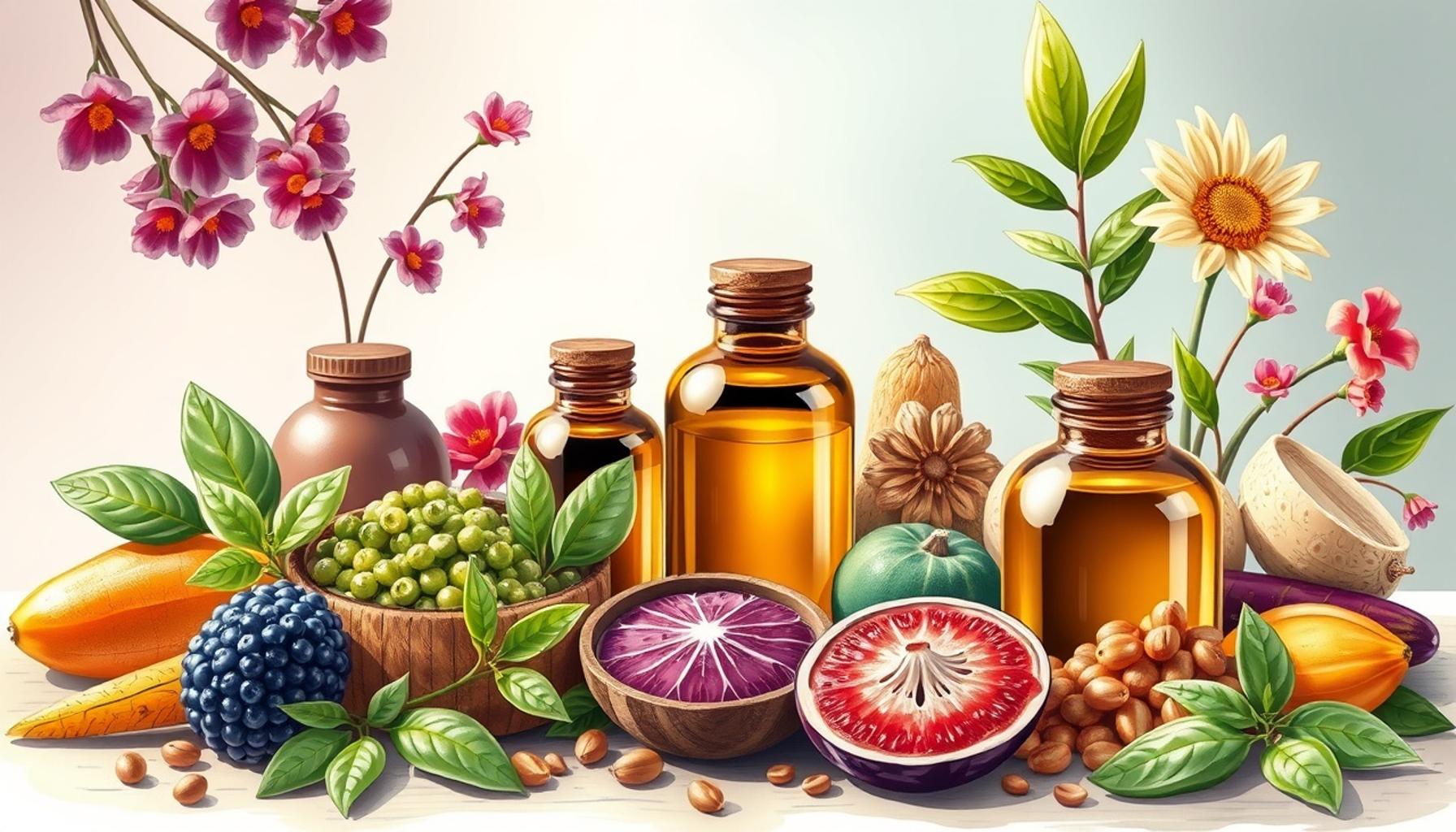
The Rise of Natural Ingredients in Skincare: Benefits and Trends
The Shift Towards Natural Ingredients in Skincare
In the evolving landscape of skincare, a noteworthily profound transformation has emerged, as consumers increasingly gravitate towards natural ingredients in their beauty products. This decisive movement signifies more than mere consumer preference; it’s a reflection of a significant cultural shift toward embracing holistic wellness and conscious living. As individuals become more mindful of their health and the products they incorporate into their daily routines, a growing preference for simple yet effective formulations materializes.
One of the most compelling reasons behind this shift is the notion of safety. Many consumers are discovering that synthetic chemicals often found in conventional skincare products can lead to undesirable side effects such as skin irritation, allergic reactions, or long-term health concerns. In contrast, natural ingredients are typically perceived as gentler—making them more appealing to those with sensitive skin or specific allergies. For example, aloe vera is lauded for its soothing properties and is often used for sunburn relief, while jojoba oil mimics the skin’s natural oils, making it a fantastic moisturizer that doesn’t clog pores.
Moreover, sustainability plays a pivotal role in the growing consumer demand for natural skincare. As awareness of environmental issues rises, brands are increasingly committing to eco-friendly practices. This includes sourcing sustainable ingredients and employing responsible packaging solutions. Many companies now highlight their commitment to reducing their carbon footprint, appealing to environmentally-conscious consumers eager to make choices that benefit the planet. For instance, brands like Ethique offer solid shampoo bars, thereby eliminating plastic waste from traditional liquid shampoo bottles.
From an effectiveness standpoint, natural ingredients like green tea are celebrated for their potent antioxidant properties, which are vital for combating signs of aging. Rich in polyphenols, green tea has emerged as a star ingredient capable of reducing redness and preventing sun damage, proving that nature holds the key to a plethora of skincare benefits.
Emerging Industry Trends
The ascension of natural ingredients is not merely confined to their inherent benefits; it has also incited significant innovation within the beauty industry. The modern consumer seeks formulations that are clean, void of harmful chemicals and synthetic additives. As a result, brands are rushing to create products that prioritize skin-friendly and naturally derived components.
Another trend is the call for transparency. Brands are actively sharing their ingredient sourcing and production processes, fostering trust and loyalty among consumers who are increasingly wary of misleading marketing. They want to know not just what goes into the products they purchase, but also the journey these ingredients took to reach their shelves.
Additionally, customization is gaining traction. Brands are developing tailored skincare solutions that address specific skin concerns, from dryness to sensitivity. For example, companies like Curology offer personalized treatments based on individual skin assessments, allowing consumers to experience skincare tailored specifically for them.
As discussions around natural skincare continue to develop, it becomes paramount to delve deeper into the benefits and trends linked to these natural ingredients. With a narrative that intertwines ancient herbal remedies and modern formulations, the journey toward a more nature-centric skincare regime not only invites exploration but also encourages a broader understanding of the Earth’s resources in cultivating beauty. This growing awareness heralds an exciting era of skincare, where nature and science harmoniously converge.
The Benefits of Natural Ingredients in Skincare
The burgeoning interest in natural ingredients within the skincare industry is largely driven by a myriad of benefits that these elements offer. Unlike conventional products laden with synthetic chemicals, natural skincare solutions derived from plants, minerals, and other earth-sourced materials resonate with consumers seeking purity and simplicity. This section explores the core benefits of natural ingredients that contribute to their popularity among skincare enthusiasts in the United States.
First and foremost, the gentleness of natural ingredients is a significant factor that has attracted a wide audience. Many individuals grapple with various skin conditions such as eczema, rosacea, or sensitivities that can be exacerbated by harsh chemicals. Ingredients like shea butter and coconut oil are celebrated not only for their moisturizing capabilities but also for their soothing properties, helping to alleviate discomfort while enhancing skin texture. This gentler approach fosters a healing environment rather than causing irritation.
Another remarkable aspect is the nourishing properties that natural ingredients provide. Rich in vitamins, antioxidants, and essential fatty acids, these ingredients can transform skin health and appearance. For instance, argan oil, often referred to as “liquid gold,” is packed with fatty acids and vitamin E, promoting elasticity and hydration. Incorporating such potent ingredients into skincare regimens not only addresses immediate skin concerns but also has long-term skincare benefits.
Furthermore, the appeal of natural ingredients is intertwined with their environmental sustainability. As consumers become increasingly eco-conscious, they are more likely to seek products that align with their values. Natural skincare brands often prioritize ethical sourcing, supporting local farmers and using sustainable farming practices. For example, companies that use local honey in their formulations are not only tapping into a potent natural humectant but also supporting beekeeping initiatives that contribute positively to the ecosystem.
One cannot overlook the antidote to environmental concerns that many natural ingredients offer. Here are some key benefits that highlight this focus:
- Biodegradability: Natural ingredients decompose naturally, minimizing environmental impact.
- Wildcrafted and organic sourcing: Many brands emphasize using ingredients grown without pesticides or harmful chemicals.
- Small-batch production: The rise of artisanal brands means that many products are made responsively, ensuring holistic engagement with the local community.
Innovative formulations that harness the strength of these natural components are not only contributing to healthier skin but also paving the way towards an eco-friendly future in beauty. Additionally, the transparency around sourcing and production processes strengthens the trust consumers place in these brands, which is essential for modern skincare.
As consumer awareness continues to rise, the synergy between safety, effectiveness, and sustainability showcases the multi-dimensional benefits of natural ingredients. This holistic approach to beauty aligns with the contemporary ethos of informed consumerism—encouraging individuals to make wiser, more conscientious choices about the products they use on their skin.
The Rise of Natural Ingredients in Skincare: Benefits and Trends
The increasing inclination towards natural ingredients in skincare isn’t merely a trend but a movement fueled by health consciousness and environmental awareness. Consumers today are more informed, demanding transparency and efficacy in their beauty products. This shift is evidenced by the proliferation of brands focusing on clean beauty, often boasting ingredients sourced from nature that promise safer and more effective results.
| Advantages | Trends |
|---|---|
| Skin Compatibility | Emerging brands are prioritizing formulations that align with varying skin types, enhancing accessibility. |
| Environmental Impact | The trend toward sustainable packaging and ethical sourcing is gaining momentum, with brands appealing to eco-conscious consumers. |
This combination of skin compatibility and a focus on environmental consciousness are shaping the future of skincare. Consumers are not only looking for products that enhance their beauty but also align with their values regarding sustainability and health. As a result, innovators in the skincare space are continually researching and developing even more natural alternatives that deliver remarkable results without compromising on performance. Brands are also increasingly integrating advanced technology with these natural formulations, paving the way for a new era in skincare that harmonizes science with nature. This convergence is redefining beauty, making it a holistic experience for the mind, body, and environment.
Current Trends in Natural Skincare Ingredients
The shift towards natural ingredients in skincare is not just a fleeting fad; it reflects a profound change in consumer behavior and an evolving industry landscape. As eco-ethical considerations gain traction, skincare brands are re-evaluating their ingredient sourcing and formulation practices. This section delves into some of the key trends currently shaping the use of natural ingredients in skincare products.
One notable trend is the rise of plant-based alternatives. Consumers are increasingly seeking vegan formulations that eschew animal-derived ingredients such as collagen and lanolin. Brands are responding by introducing innovative plant-powered substitutes like marine algae for hydration or peptides derived from rice or peas to support skin elasticity. This move not only caters to the vegan demographic but also addresses a broader audience intent on supporting cruelty-free practices. The booming market for vegan skincare is indicative of a significant cultural shift toward more compassionate beauty solutions.
Another compelling trend relates to the use of superfoods in skincare, drawing inspiration from the food and wellness industries. Ingredients like green tea extract, rich in antioxidants, are celebrated for their protective properties against environmental stressors, while spirulina is renowned for its energizing effects on tired skin. These superfood-infused products enhance not only the efficacy of skincare routines but also appeal to health-conscious consumers looking to incorporate wellness elements into their beauty regimes, merging overall health with beauty.
Moreover, the concept of customization has found its footing in the natural skincare domain. More brands are now offering bespoke skincare products made from natural ingredients tailored to meet individual skin types and concerns. Personalized skincare assessments, often facilitated through online platforms, allow consumers to identify and select formulations based on their unique needs. This surge towards customization implies a greater engagement with natural ingredients, enabling users to form a deeper connection to the products they choose.
As brand transparency continues to be a priority for consumers, the movement for clean beauty has gained momentum as well. Many skincare lines are actively disclosing detailed information about their ingredient sourcing, manufacturing processes, and testing protocols. This heightened focus on transparency helps build consumer trust and loyalty, encouraging shoppers to make informed decisions. Brands are now utilizing labels like “free from parabens, sulfates, and artificial fragrances,” which resonate with health-conscious buyers. Such clarity in ingredient lists is a crucial factor in the current natural skincare trend, driving consumers towards products they perceive as genuinely beneficial.
In addition to these trends, the integration of technological advancements into natural skincare is also emerging as a pivotal influence. Companies are harnessing modern technologies like biotechnology to enhance the extraction processes of natural ingredients, ensuring maximum efficacy and stability in their products. For instance, methods like cold-press extraction make it possible to retain the potency of essential oils and active compounds found in plants, translating their benefits directly into skincare formulations.
- Emerging Ingredients: The rise of lesser-known natural ingredients like blue tansy oil or bakuchiol (a plant-based alternative to retinol) is stimulating interest among consumers.
- Allergen-Safe Formulations: New approaches to product development focus on creating formulations that limit allergens, appealing to those with sensitive skin.
- Consumer Education: Brands are investing in educational campaigns that inform consumers about the benefits and origins of natural ingredients, further promoting informed purchasing decisions.
These current trends highlight a broader shift in attitudes towards beauty standards and self-care, propelled by the intersection of innovation and a commitment to using natural ingredients. As health and environmental consciousness continue to evolve, the natural skincare market is positioned to expand further, driven by informed consumers and responding brands alike.
Conclusion
The dynamic landscape of skincare has undeniably shifted toward the integration of natural ingredients, driven by a combination of consumer education, ethical considerations, and a burgeoning interest in holistic wellness. As brand transparency becomes increasingly crucial, consumers are empowered to choose products that align with their values, leading to a demand for clean beauty labels and formulations rich in sustainable components. With the rise of plant-based alternatives and superfoods, skincare has evolved beyond mere beauty enhancement to a comprehensive approach that marries health with skincare practices.
Furthermore, the trend of personalized skincare reflects a growing recognition that each individual’s skin requires tailored solutions. By embracing custom formulations, consumers engage in a more intimate and informed beauty routine. This personalization, coupled with the emergence of allergen-safe formulations, ensures that consumers can find safe and effective products with ease. As innovative extraction technologies continue to enhance the efficacy of natural ingredients, the future of skincare appears brighter than ever.
Ultimately, the rise of natural ingredients signals a transformative moment in the skincare industry that prioritizes well-being, sustainability, and authenticity. As both brands and consumers embrace this shift, the commitment to natural solutions is not only paving the way for healthier skin but also fostering a more responsible approach to beauty. For those curious about this vibrant landscape, exploring the wealth of natural options available could lead to discovering transformative results and a renewed sense of trust in skincare practices.

Linda Carter
Linda Carter is a writer and beauty expert specializing in skincare, self-care, and personal wellness. With extensive experience helping readers discover effective routines, trusted tips, and confidence-boosting practices, Linda shares her knowledge on our platform. Her goal is to empower readers with practical advice and thoughtful strategies to enhance their natural beauty, feel their best, and embrace a healthier, more confident lifestyle.