The Science Behind Natural Oils: Essential Oils vs. Carrier Oils in Skincare
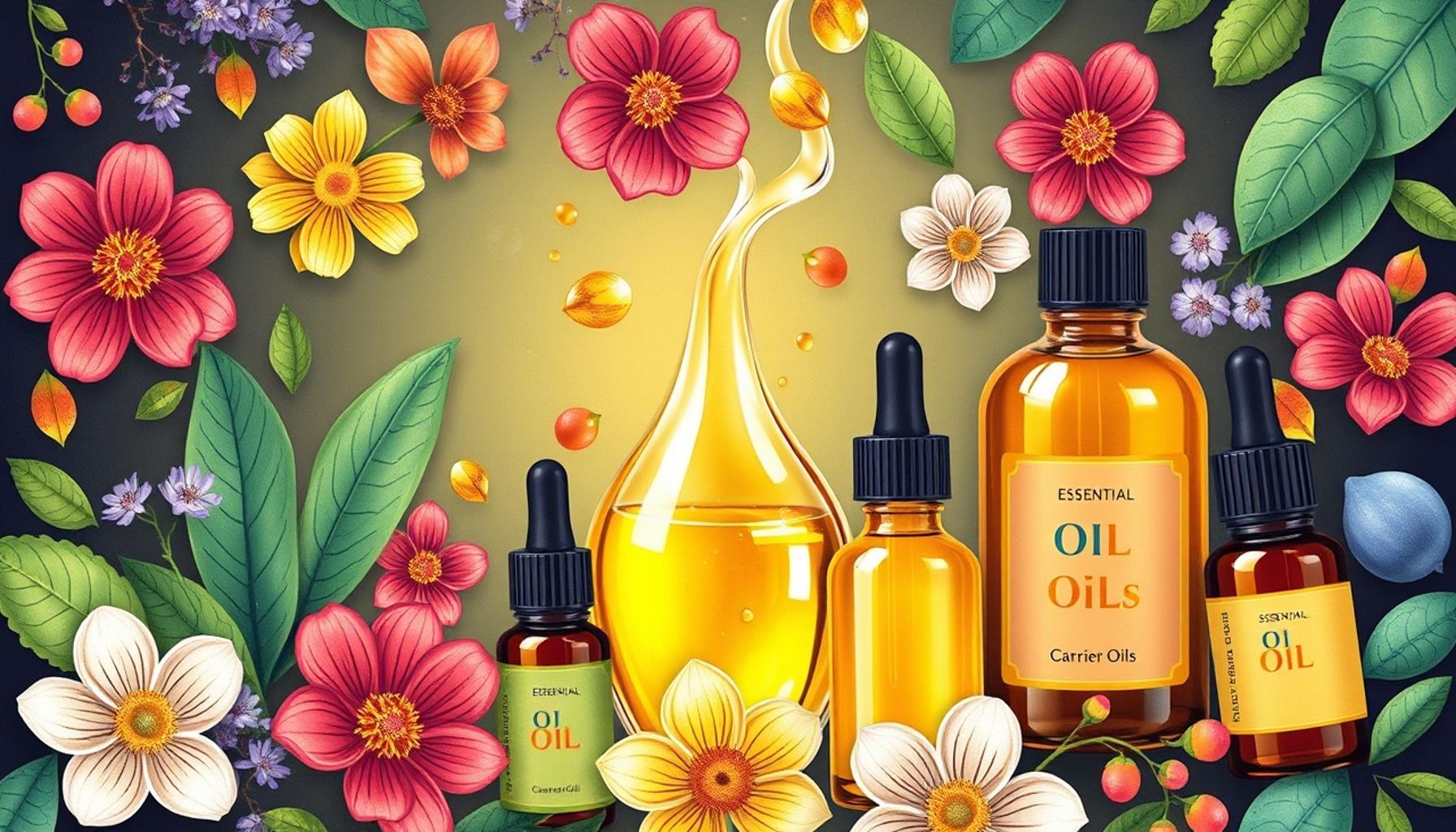
Understanding Essential and Carrier Oils
The realm of skincare is evolving, with natural oils taking center stage in many beauty routines. Understanding the differences between essential oils and carrier oils can significantly impact your skincare choices and enhance the efficacy of your products.
Essential oils are concentrated plant extracts known for their aromatic properties and therapeutic benefits. These oils are usually extracted through distillation or cold-pressing methods, retaining the essence of the plant they derive from. Their distinct and powerful characteristics can address various skin concerns. For example, tea tree oil is renowned for its antimicrobial effects, making it a popular choice for acne-prone skin. Lavender oil is another favorite, celebrated for its anti-inflammatory properties that can soothe irritation and enhance overall skin calmness. Moreover, oils like frankincense are believed to promote skin rejuvenation; their compounds may help reduce the appearance of fine lines and promote a more youthful complexion.
On the other hand, carrier oils serve a crucial role in the world of skincare. These oils are derived from the fatty portions of plants and are used to dilute essential oils, ensuring they can be safely applied to the skin. Carrier oils, such as jojoba oil, coconut oil, and sweet almond oil, are well-known for their own beneficial properties, including hydration and moisture retention. For instance, jojoba oil closely resembles the skin’s natural sebum, making it an excellent hydrator for all skin types. Additionally, avocado oil is celebrated for its nourishing and soothing properties, providing essential fatty acids and vitamins that promote skin health. Furthermore, the use of carrier oils facilitates the improved absorption of essential oils, enhancing their effectiveness while minimizing the risk of skin irritation.
As more people turn to natural solutions, understanding the chemistry behind these oils and how they can work together becomes increasingly relevant. Knowledge of the appropriate ratios to mix these oils not only allows for the maximization of their benefits but also ensures skin safety. Typically, a good rule of thumb is to dilute essential oils to around 1-5% when using them in skincare routines.
This article explores the intricate balance between essential and carrier oils, shedding light on their unique functionalities. By appreciating their distinctive qualities and how they complement each other, you can make informed choices for your skincare regimen, potentially unlocking healthier, more radiant skin.
The Role of Essential Oils in Skincare
Essential oils are more than just fragrant additions to your skincare routine; they are powerful bioactive compounds that can deliver profound benefits for your skin. These highly concentrated oils contain a variety of phytochemicals, which not only contribute to their delightful aromas but also foster a myriad of therapeutic effects. Additionally, essential oils can provide targeted solutions for specific concerns, creating a multi-faceted approach to skincare.
One of the key advantages of essential oils is their ability to address common skin issues, thanks to their diverse chemical compositions. For instance, oils like peppermint and eucalyptus have natural cooling properties that can help alleviate redness and swelling. Meanwhile, geranium oil is often heralded for its ability to balance oil production, making it suitable for both oily and dry skin types. Other essential oils, such as chamomile and rose, are known for their sensitive skin-friendly benefits, offering soothing and calming effects, especially for those prone to irritation.
Understanding Carrier Oils: The Unsung Heroes
Carrier oils play an essential role in skincare, acting as the foundation for applying essential oils safely and effectively. Their primary function is to dilute the potency of essential oils, allowing for safe topical application without overwhelming the skin. Moreover, many carrier oils possess beneficial properties of their own, aiding in skin health and nourishment.
When selecting a carrier oil, it’s crucial to consider its absorption characteristics, fatty acid composition, and skin compatibility. Here’s a quick overview of some popular carrier oils and their key benefits:
- Jojoba Oil: Mimics natural sebum, promotes moisture retention, and is suitable for all skin types.
- Argan Oil: Rich in vitamin E and fatty acids, it nourishes and hydrates the skin while reducing signs of aging.
- Coconut Oil: Known for its antimicrobial properties and deep hydration, it can help condition and smooth the skin.
- Sweet Almond Oil: Softens skin and provides essential nutrients without clogging pores, making it ideal for sensitive skin.
- Avocado Oil: Packed with vitamins, this oil nourishes and protects the skin, especially beneficial for dry or damaged skin.
The synergy between essential and carrier oils can lead to enhanced effectiveness, making your skincare routine not only more potent but also safe for regular use. Understanding how to combine these oils properly can unlock a world of possibilities for keeping your skin healthy, hydrated, and glowing. With the right balance, you can cater your skincare regimen to not only address existing concerns but also promote long-term skin vitality and resilience.
The world of natural oils plays a crucial role in skincare, with essential oils and carrier oils each bringing their unique properties and benefits to the table. Essential oils are highly concentrated extracts from plants known for their potent therapeutic qualities. These oils, derived from flowers, leaves, roots, and fruits, are rich in active compounds that can promote healing, reduce inflammation, and enhance the overall appearance of the skin. For instance, tea tree oil is lauded for its antibacterial properties, while lavender oil is renowned for its calming effects.On the other hand, carrier oils serve as the foundation for applying essential oils safely and effectively. These oils, which include popular options like jojoba, coconut, and almond oil, are typically derived from nuts, seeds, or fruits. They are less potent and function to dilute essential oils, making them safe for topical application. Carrier oils not only help to spread essential oils across the skin but also act as moisturizers, providing hydration and nourishment. For example, jojoba oil mimics the skin’s natural sebum, making it an excellent moisturizer for various skin types.Understanding how to properly combine these two types of oils can significantly elevate a skincare regimen. By blending essential oils with carrier oils, users can maximize the therapeutic benefits while also minimizing the risk of skin irritation. This synergy unlocks a potential treasure trove of skincare benefits, allowing individuals to tailor their applications based on specific skin needs, such as combating acne, soothing dryness, or even enhancing elasticity.The science behind these oils is multifaceted. Different essential oils have different modes of action, and their efficacy can vary based on a multitude of factors, including the method of extraction, the plant’s growing conditions, and how they are formulated. Furthermore, studies continue to emerge, highlighting the benefits of these oils in dermatological applications. Whether one aims for relief from skin ailments or seeks to harness the hydrating properties of carrier oils, understanding the science behind these natural oils is essential for anyone interested in skincare. This knowledge not only informs better skincare choices but also empowers users to embrace a more holistic approach to skincare that aligns with natural wellness. In the quest for natural solutions, the exploration of how essential and carrier oils interact presents an exciting opportunity for those eager to enhance their skincare practices. The journey leads to deeper insights into skin health, promising the potential for personalized formulations that resonate with individual needs and preferences.
Harnessing the Power of Knowledge: How to Use Essential and Carrier Oils Effectively
Understanding the differences and benefits of essential and carrier oils is essential for anyone looking to enhance their skincare routine. However, the key lies in knowing how to use these oils correctly to maximize their potential. Essential oils, while potent, must be handled with care. Not only do they possess concentrated therapeutic properties, but they may also lead to adverse reactions if used inappropriately. For this reason, dilution with a carrier oil is not merely advisable; it is crucial.
While dilution ratios can vary depending on the specific essential oil, a general rule of thumb is to aim for a concentration of about 1-2% for topical use. This translates to approximately one to two drops of essential oil per teaspoon of carrier oil. For sensitive skin or first-time users, it’s advisable to start on the lower end of this spectrum and gradually increase as your skin acclimates. Remember, less can be more when it comes to harnessing the benefits of nature.
The combination of essential and carrier oils is more than just a simple dilution; it creates what is known as an aromatic synergy. The carrier oil not only acts as a medium for the essential oil, amplifying its therapeutic effects, but it also brings its own array of benefits. This collaboration can enhance skin absorption and improve the overall experience of applying the oil. For example, combining lavender essential oil with jojoba oil not only provides the calming aroma of lavender but also ensures your skin receives jojoba’s moisture-retaining properties.
Safety Precautions and Patch Testing
Before embarking on your journey with essential and carrier oils, it’s essential to prioritize safety. Conducting a patch test on a small skin area before broader application is recommended to mitigate the risk of allergic reactions. Mix a small amount of diluted essential oil with the carrier oil and apply it to your forearm or behind your ear. Wait for 24 hours to observe for any adverse effects, such as redness or irritation. If negative reactions occur, it’s best to discontinue use and consult with a skincare professional.
Pregnant individuals, those with sensitive skin, or those with specific health concerns should exercise caution and consult with healthcare providers before integrating essential oils into their skincare routines. Not all essential oils are safe for everyone; for instance, some oils can interfere with hormonal functions and may not be suitable for pregnant women.
The Evolving Science of Natural Oils
As natural skincare continues to gain traction, the scientific community recognizes the potential of essential and carrier oils in fostering healthier skin. Ongoing research is revealing promising findings regarding the antioxidant, anti-inflammatory, and antimicrobial properties of many essential oils. For instance, tea tree oil has garnered attention for its acne-fighting capabilities, while frankincense oil is being studied for its anti-aging properties.
The beauty of these natural oils lies in their ability to be personalized. With such a vast array of options available, you can tailor your skincare regimen to meet individual needs and concerns. Many beauty brands now offer products that combine these oils, presenting customers with pre-formulated blends designed for various skin types and conditions.
Ultimately, the exploration of essential and carrier oils should encompass both understanding their scientific backgrounds and aligning with personal skincare goals. Embracing this wealth of knowledge paves the way for a more informed and satisfying skincare experience as you harness the power of nature in your daily routine.
Conclusion: Unlocking the Natural Benefits of Skincare Oils
In conclusion, the world of natural oils, including both essential oils and carrier oils, offers a treasure trove of benefits for skincare enthusiasts seeking to enhance their routines. Understanding the distinct roles these oils play is crucial: essential oils deliver concentrated therapeutic properties, while carrier oils provide nourishment and safety through dilution. This synergy opens up a realm of possibilities for targeted skincare solutions tailored to individual needs.
The evolving research surrounding these oils highlights their anti-inflammatory, antioxidant, and antimicrobial attributes, thus fortifying their place in modern skincare. Essential oils like lavender and tea tree are gaining acclaim for their unique capabilities, empowering users to address specific skin concerns with a natural approach. On the other hand, carrier oils like jojoba and coconut not only act as vehicles for essential oils but also offer their own nourishing properties, contributing to overall skin health.
As consumers become more educated about these products, the demand for safe, effective, and personalized skincare solutions will undoubtedly rise. To harness the full spectrum of benefits, conducting thorough research, practicing safety precautions such as patch testing, and understanding the science behind these natural oils becomes essential.
The journey into natural skincare is an invitation to explore, experiment, and embrace the many wonders that essential and carrier oils have to offer. By arming yourself with knowledge, you can cultivate a skincare regimen that not only nourishes your skin but also connects you to the wisdom of nature.

Linda Carter
Linda Carter is a writer and beauty expert specializing in skincare, self-care, and personal wellness. With extensive experience helping readers discover effective routines, trusted tips, and confidence-boosting practices, Linda shares her knowledge on our platform. Her goal is to empower readers with practical advice and thoughtful strategies to enhance their natural beauty, feel their best, and embrace a healthier, more confident lifestyle.