The Influence of Social Media on New Skincare Routines: The Impact of Influencers and Online Communities
The Impact of Digital Platforms on Skincare Trends
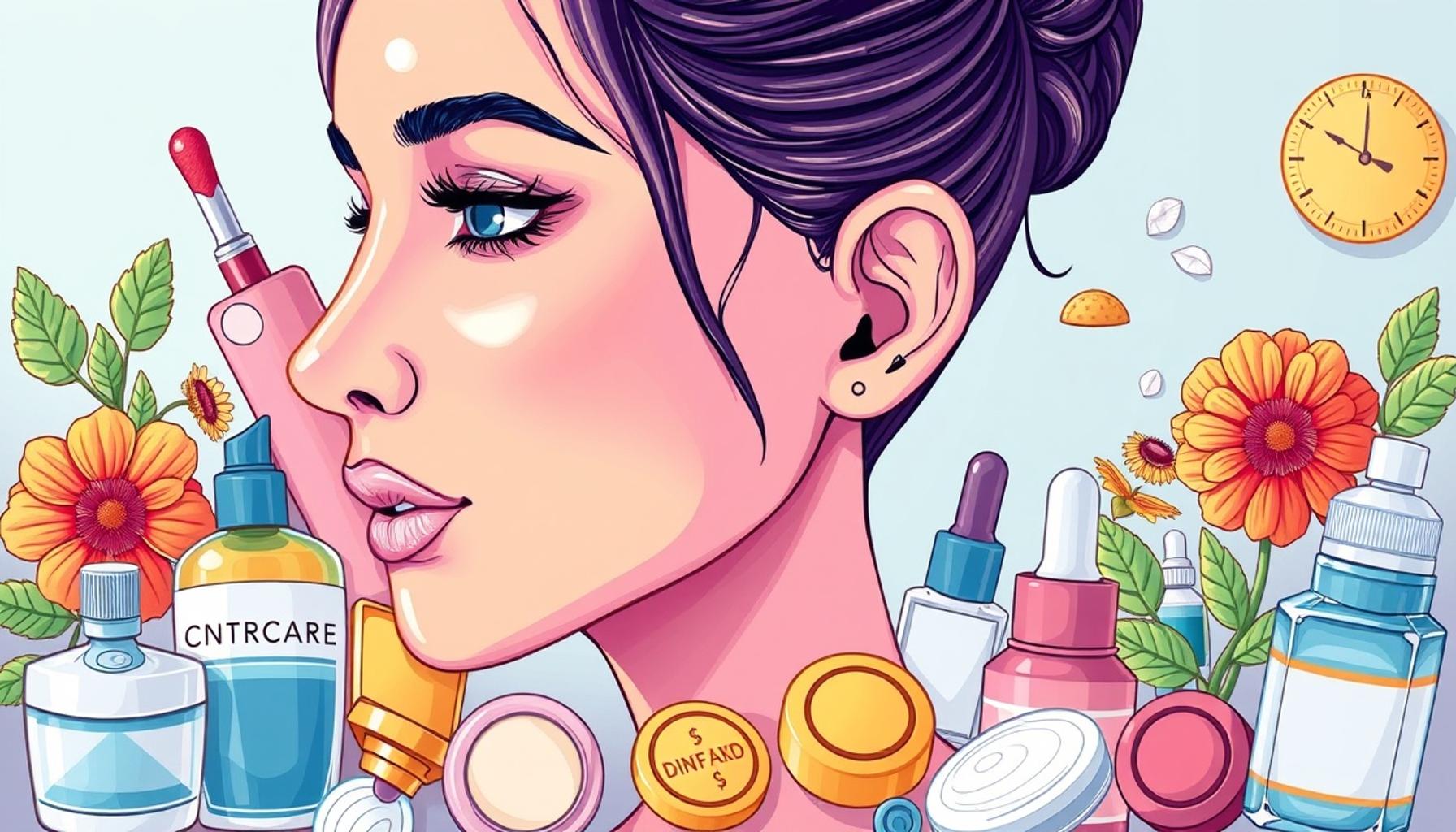
In today’s digital world, the way people approach skincare has undergone a drastic transformation, heavily influenced by the reach and power of social media. No longer confined to beauty counters and magazine ads, skincare information, routines, and product recommendations thrive on platforms such as Instagram, TikTok, and YouTube. This dynamic shift has redefined consumer behavior and set new trends within the industry.
Influencer Marketing plays a pivotal role in this evolution. High-profile beauty influencers and professional dermatologists alike share their skincare journeys, recommendations, and product reviews, appealing to millions of followers. For instance, influencers like Huda Kattan and James Welsh harness their platforms to educate their audiences about specific skincare products while sharing personal anecdotes about their effects. As followers witness the results on their screens, it significantly shapes their purchasing decisions. A prime example is the rise of the “slugging” technique, popularized by various influencers demonstrating their nighttime hydration routines, effectively sending the trend viral.
Another remarkable feature of this digital milieu is the phenomenon of viral trends. With just a hashtag, a new product or skincare routine can gain immense popularity overnight. The #SkincareRoutine and #DewySkinChallenge often gather millions of views, encouraging users to experiment and share their adaptations based on influencer performances. Brands that capitalize on these trends frequently see their products fly off the shelves, highlighting how consumer behavior is increasingly driven by viral moments rather than traditional advertisements.
Furthermore, online communities on platforms like Reddit and Facebook offer a supportive space for skincare enthusiasts to share tips, advice, and DIY solutions, consequently fostering a sense of belonging and collective knowledge. Popular subreddits, such as r/SkincareAddiction, allow users to discuss everything from product efficacy to personal skin journeys, providing a wealth of information that goes beyond what brands may advertise. The authenticity found in shared experiences often resonates more deeply with consumers compared to polished commercial content.
This digital engagement with skincare is not simply a cultural trend; it signifies a broader shift in how society perceives beauty, self-care, and wellness. Consumers are increasingly prioritizing authentic experiences over brand loyalty, which pressures companies to adapt their marketing strategies. As the lines blur between peer reviews and sponsored content, brands must navigate this new landscape with transparency and personal connection in mind.
As skincare enthusiasts embrace these innovative online spaces, one cannot help but wonder if this shift is a lasting change within the beauty industry. The implications of social media on skincare routines and consumer preferences are monumental, reshaping how products are marketed and consumed. This ongoing exploration invites us to consider the future of beauty, connection, and community in a digital age.
The Role of Influencers in Shaping Skincare Choices
As the landscape of beauty continues to evolve, the role of social media influencers in shaping skincare routines cannot be overstated. These individuals leverage their platforms not only to promote products but also to cultivate a unique relationship with their followers, creating a feedback loop that impacts both consumer behavior and product formulation. Influencers, who often possess a loyal audience that trusts their judgments, have become central figures in this skincare revolution. This trend raises essential questions: How does their opinion create ripple effects in consumer choices, and what responsibility do they hold in guiding skincare narratives?
One of the most significant ramifications of influencer marketing is its ability to democratize skincare knowledge. Previously reserved for medical professionals or cosmetic counters, this information is now accessible to all. Many influencers adopt a relatable approach, sharing their skin conditions and struggles alongside cures that worked for them. This newfound openness allows followers to feel empowered to explore their skincare journeys. For instance, influencers like Skincare By Hyram dissect ingredient lists and educate their audience on common irritants, making complex scientific concepts accessible.
Emergence of Collaborative Trends
Alongside educational content, the collaboration among influencers often leads to the emergence of new skincare trends that ripple through social media. Collaborative content—where multiple influencers weigh in on a product or a technique—propels these trends to new heights. Some notable examples include:
- Multi-Masking: Combining different masks for various facial zones, a trend that gained traction when several beauty gurus shared their unique interpretations.
- 10-Step K-Beauty Routines: The detailed skincare routine from South Korea was popularized in the U.S. largely thanks to influencers showcasing its efficacy.
- Ingredients Focus: A shift towards cruelty-free and vegan products, emphasized by various influencers advocating for responsible consumerism.
These collective influencer efforts not only drive sales but also shift consumer preferences towards *clean beauty* and sustainable products, reflecting broader values and social consciousness within the community. As followers adopt these new standards and align with like-minded individuals, brands must adapt quickly. Companies are now tasked with ensuring that their products meet the growing demand for transparency and ethical sourcing.
However, the rapid pace of influence also raises concerns about misinformation and the potential for trends that may not be suitable for every skin type. The *prominence of unregulated influencer marketing* means that the wealth of information available can sometimes lead to confusion rather than clarity. Consequently, the responsibility falls on consumers to fact-check and approach recommendations with a discerning eye.
As we continue to explore the intricate dynamics of social media and skincare, it’s evident that the role of influencers extends far beyond simple product promotion; they are redefining the cultural narrative around skincare practices. This digital-driven transformation is not just a phase but signals a shift towards a more informed and community-focused approach to beauty, one where every individual’s voice contributes to a larger conversation.
The New Era of Skincare: How Influencers Shape Routines
As social media platforms continue to evolve, the influence of beauty and skincare influencers has reached unprecedented levels. These individuals, often hailed as the new authorities in skincare, possess the ability to shape consumers’ perceptions and purchase decisions. With millions of followers, they share personal experiences, product reviews, and beauty hacks, often serving as the go-to source for skincare advice. This dynamic has led to a democratization of beauty standards, allowing everyday individuals to engage with and adopt new skincare routines that may have previously been inaccessible. One of the significant shifts observed in this trend is the rise of *online communities*. Platforms like Instagram, TikTok, and YouTube have become fertile ground for skincare discussions, where users share their journeys, successes, and challenges in finding effective skincare solutions. These communities foster a sense of belonging, providing support and encouragement to those experimenting with diverse products and practices. Moreover, the feedback shared within these groups can lead to a more informed consumer base, allowing individuals to discover ingredients and techniques that suit their unique skin types.The sheer volume of content available on social media also requires cautious navigation. With an influx of information, it is crucial for consumers to discern between genuine recommendations and those that are sponsored or driven by commercial interests. As the lines between personal experience and marketing continue to blur, social media users are encouraged to conduct thorough research, relying on both influencers and demographic-specific online communities for balanced insights. Understanding these elements is vital for anyone looking to adopt or adapt their skincare routine based on influencer content. The personal stories behind each product recommendation can often provide a deeper connection, aiding individuals in their quest to achieve *glowing skin*. Furthermore, it highlights the importance of mental wellness and self-care, showcasing how skincare is not only about aesthetics but is imbued with the personal stories and struggles shared within these digital spaces.
| Category | Details |
|---|---|
| Trust and Authenticity | Influencers cultivate trust by sharing personal journeys. |
| Community Support | Online forums foster discussions that encourage sharing experiences. |
| Product Recommendations | Influencers highlight products that cater to diverse skin types. |
| Critical Engagement | Consumers are encouraged to analyze and validate influencer recommendations. |
In this vibrant landscape, the key to harnessing the power of social media for skincare routines lies in active engagement and informed choices. As influencers continue to impact beauty standards, knowing how to navigate their content responsibly can empower consumers to personalize and enhance their skincare journeys.
The Power of Online Communities and User-Generated Content
In addition to the significant role of influencers, online communities play an indispensable part in shaping new skincare routines. Platforms such as Reddit, Facebook groups, and Instagram’s comment sections have become veritable hubs for skincare enthusiasts to share experiences, ask questions, and recommend products. These communities thrive on user-generated content that may carry even more weight than traditional influencer endorsements. The personal testimonials and shared journeys resonate with followers, fostering trust and authenticity in ways that polished influencer campaigns often cannot match.
Take, for example, the popular subreddit r/SkincareAddiction, where users congregate to exchange detailed routines, product reviews, and ingredient analyses. This community-driven space encourages members to post “before and after” photos showcasing their skincare journeys, promoting accountability and motivation. The engagement generated by these shared experiences can result in lasting changes in skincare habits for many individuals. With an average of 1.1 million members, the subreddit illustrates the appetite for communal knowledge and support surrounding skincare.
Influence of Challenges and Trends Sparked by Communities
Online communities also fuel trends that can dramatically influence users’ skincare rituals. Social media challenges that encourage followers to modify their routines—for instance, the “30-Day Skincare Challenge”—are often spread through community posts. These challenges often emphasize a gradual introduction of new products or ingredients, making them more approachable. As users share their progress and results using specific hashtags, the content gains visibility and draws in new participants eager to experience similar transformations.
- Skin Cycling: This trend encourages individuals to rotate products or treatments over a four-night cycle, designed to minimize irritation and optimize results. Originating from community discussions, it has sparked widespread interest across various platforms.
- Minimalist Routines: As a response to excessive product usage, communities on platforms like TikTok have collectively embraced the idea of ditching cluttered cabinets for a simpler, more streamlined skincare routine.
- Ingredient Spotlight: User-generated posts focusing on the benefits of specific ingredients, such as niacinamide or hyaluronic acid, are prevalent. These discussions help educate consumers, steering them toward evidence-based product choices.
Importantly, the influence of communities extends beyond mere product recommendations; it cultivates a culture of inclusivity and acceptance. Followers are encouraged to embrace their unique skin types and conditions, moving toward a more personalized approach to skincare. This can be particularly empowering for those who have struggled with skin issues, as user testimonials provide relatable insights and successes that may not be present in typical advertising campaigns.
However, the accessibility of information in these communities can have its downsides. With a constant influx of suggestions and trends, it can be challenging for consumers to discern which practices are genuinely effective and suitable for their skin types. The pressure to conform to trending routines might lead some to overlook their individual skincare needs, emphasizing the need for media literacy in the digital age.
As online communities grow, their influence on skincare routines will likely intensify. The collaborative environment nurtures a sense of belonging and encourages experimentation, which not only fuels personal growth but also fosters a broader understanding of skincare as an art and a science. Ultimately, the intersection of influencer marketing and community-driven dialogue fosters a fusion of experience, knowledge, and innovation that shapes the future of skincare practices across the globe.
Conclusion
In conclusion, the influence of social media on skincare routines is profound and multifaceted, driven not only by the captivating allure of beauty influencers but also by the rich tapestry of online communities. These social platforms serve as vital ecosystems where personalized experiences and collective wisdom flourish, helping individuals navigate the complex world of skincare. The exchange of user-generated content, from honest product reviews to community challenges like the “30-Day Skincare Challenge”, highlights the significant shift towards a more democratic and inclusive approach to skincare.
As consumers increasingly turn to their peers for guidance rather than relying solely on traditional advertisements, the weight of personal testimonials continues to shape skincare trends. Innovations such as skin cycling and minimalist routines reflect a movement that prioritizes both efficacy and individual needs. Nonetheless, while the modern skincare landscape encourages exploration and self-discovery, it simultaneously raises concerns over the overwhelming tide of information, making discernment more crucial than ever.
Looking ahead, it is clear that the intersection of influencer marketing and community engagement will play a pivotal role in the evolution of skincare practices in the United States and beyond. By embracing a nuanced understanding of the content consumed and fostering a critical approach to skincare trends, individuals can cultivate routines that truly reflect their unique skin journeys. As the digital age continues to redefine beauty standards, the ongoing dialogue within these online spaces promises to empower aspiring skincare enthusiasts, making knowledge accessible and reinforcing the importance of tailored skincare solutions.

Linda Carter
Linda Carter is a writer and beauty expert specializing in skincare, self-care, and personal wellness. With extensive experience helping readers discover effective routines, trusted tips, and confidence-boosting practices, Linda shares her knowledge on our platform. Her goal is to empower readers with practical advice and thoughtful strategies to enhance their natural beauty, feel their best, and embrace a healthier, more confident lifestyle.